
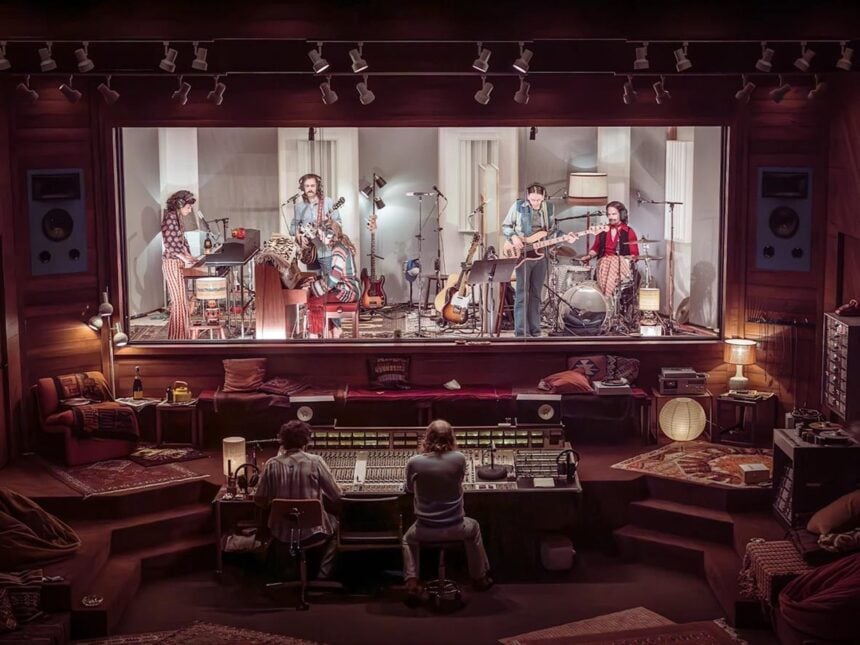
Some plays pull you in with spectacle. Stereophonic grabs you with silence. And then it holds you there, somewhere between the tension of a studio mic and the heartbreak of a lyric left unsaid.
For anyone who thinks they’ve “seen it all” on the West End, this production quietly rewrites the rules. It’s not just a play about a band, or the creative process, or even fame. It’s about the fragile machinery of collaboration, how it builds, breaks, and occasionally transcends.
Whether you’re a longtime theatregoer or someone who feels more at home with a vinyl collection than a velvet seat, Stereophonic is the rare production that speaks fluently in both languages.
Why Stereophonic Hits Harder Than Expected
- Immersive Studio Setting
The entire show unfolds in a single recording studio, creating a claustrophobic but electric environment where you feel like part of the band’s inner circle. - Authentic Dialogue and Pacing
Conversations unfold in real time, often with overlapping dialogue, long silences, and understated tension. Nothing feels staged—even though everything is. - Music That Serves the Story
The original score doesn’t just complement the drama, it is the drama. Songs emerge as snapshots of the characters’ unraveling relationships and artistic growth. - Performances That Linger
Each actor plays both a character and an instrument. The chemistry is lived-in, the conflicts raw. You forget you’re watching a performance. - Direction That Lets Moments Breathe
There’s no rush to the next beat. Every glance, pause, and unresolved note has time to land. The silence often says more than the lines.
Explore upcoming show dates and tickets via Stereophonic’s official site.
The Studio as a Pressure Cooker
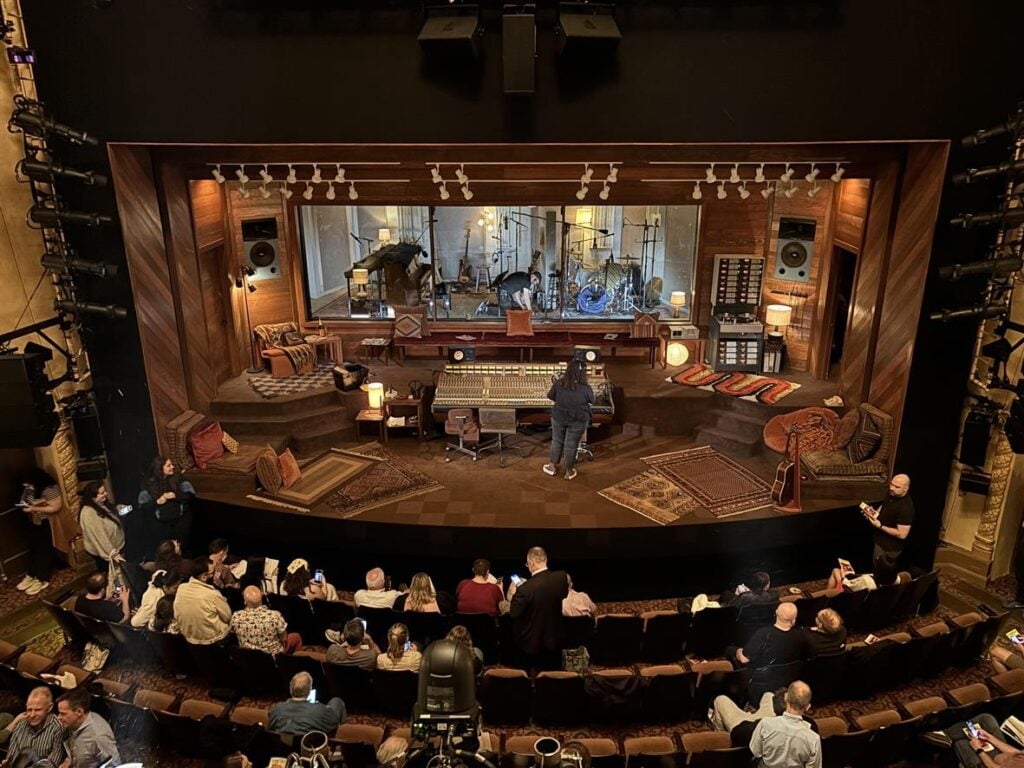
What makes the setting so magnetic is how normal it seems at first. Wires on the floor, scratchy rugs, ashtrays, lukewarm coffee—this isn’t a glamorous tour backdrop. It’s a working space where artists stretch time, clash over edits, and collapse on sofas between takes.
But that realism is exactly what sharpens the tension. Because when personalities start to fray or power dynamics shift, there’s nowhere to hide. You’re stuck in the room with them, just like the sound engineer, just like the audience.
The studio isn’t just a backdrop. It’s a character. And the longer you stay in it, the more it reveals.
A Cast That Feels Unscripted

The performances feel less like acting and more like lived history. There’s no melodrama. No “big moments” designed to milk applause. Instead, the play lives in sideways glances, broken eye contact, and late-night confessions said too quietly to take back.
That subtlety is its superpower. You don’t just observe tension—you sit in it. You feel the weight of a line that was meant as a joke but lands like a warning. You watch as ambition rubs against insecurity, until both start to crack.
By the end, you’re not watching a band fall apart or come together. You’re watching people figure out what they’re willing to give up to be great—and whether it’s worth it.
A Soundtrack That Never Feels Like a Gimmick

Yes, there’s original music. But no, this isn’t a musical. The songs aren’t used to drive plot or fill time. They emerge organically, the way a tune takes shape across messy rehearsals and hesitant first plays.
That makes each finished song feel earned. Not just by the characters, but by the audience. It’s like getting to watch a Polaroid develop—slow, imperfect, a little magical.
And because the cast plays their own instruments, every chord is part of the performance. Nothing is piped in. Nothing is polished. The rawness is the point.
More Than Nostalgia
You don’t have to care about rock history to care about this story. Stereophonic never leans on the usual tropes—no rise-to-fame montage, no dramatic overdoses, no retro costumes for their own sake.
Instead, it explores the emotional economy of creative work. The cost of being the “visionary.” The way group dynamics can get tangled in ego, love, and silence. The moments when connection feels easier through music than through conversation.
That’s what stays with you after the curtain falls. Not the songs, but the silence that follows them.
Why It Belongs on Your List
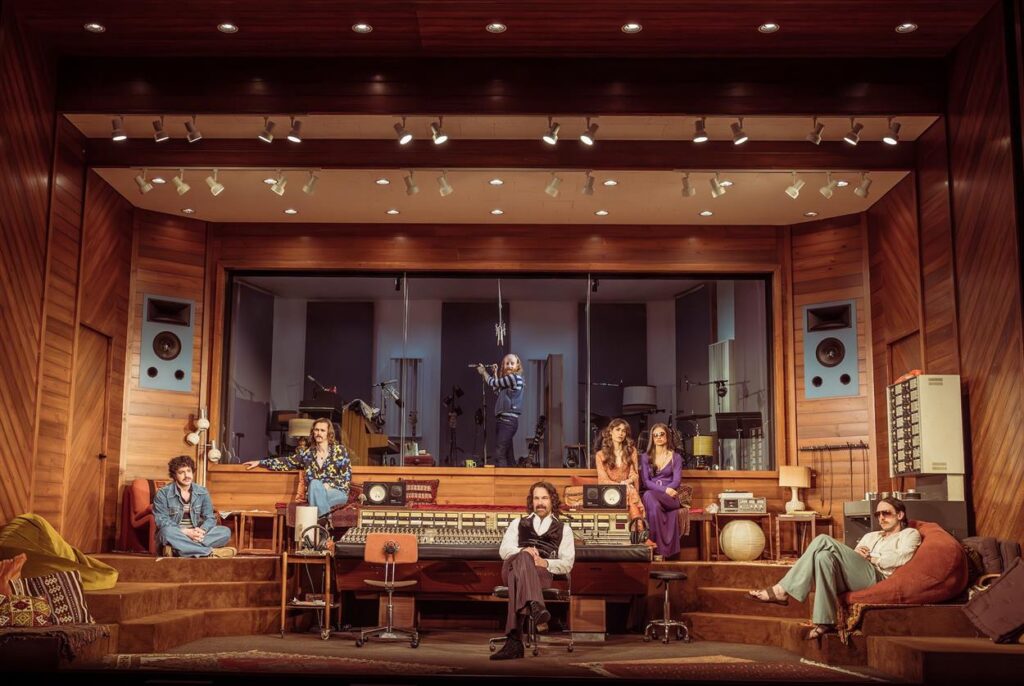
West End productions often bank on grandiosity. Stereophonic succeeds by doing the opposite. It strips away artifice until what’s left is startlingly human. You don’t walk out humming a tune. You walk out rethinking how collaboration works—and why it so often doesn’t.
For anyone craving theatre that listens as much as it speaks, this one’s worth carving time for.
FAQs
Is Stereophonic based on a real band?
No, but it draws inspiration from the dynamics of real 1970s rock bands. The characters and music are original, not biographical.
Do I need to be into rock music to enjoy it?
Not at all. The show is more about creative tension and group dynamics than music trivia. Even non-fans will find it gripping.
Are there live instruments on stage?
Yes. The actors play their own instruments, and all music is performed live within the context of the story.
Is it suitable for first-time theatregoers?
Absolutely. It’s grounded, cinematic, and emotionally accessible—even if you’re not a regular theatre person.