

In today’s consumer-driven world, it’s crucial for shoppers to make informed decisions about the products they purchase. Product labels serve as an essential source of information, helping consumers understand what they are buying and enabling them to make choices that align with their values and needs. However, deciphering these labels can sometimes feel like deciphering a secret code. In this blog post, we will demystify product labels and provide valuable insights into what consumers need to know when navigating the shelves. So let’s dive in and empower ourselves with the knowledge to make informed purchases!
Decoding Ingredients and Nutrition Facts

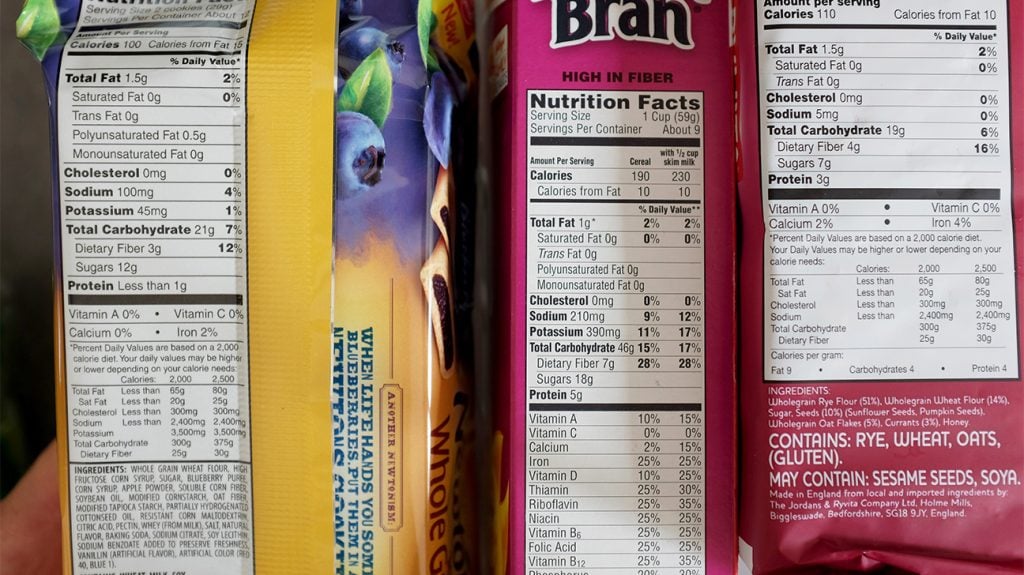
Product labels often contain an array of information, but two critical sections to pay attention to are the ingredients list and the nutrition facts. The ingredients list details what goes into the product, listing them in descending order of predominance. It’s essential to be aware of any allergens or substances you wish to avoid, such as gluten, dairy, or artificial additives.
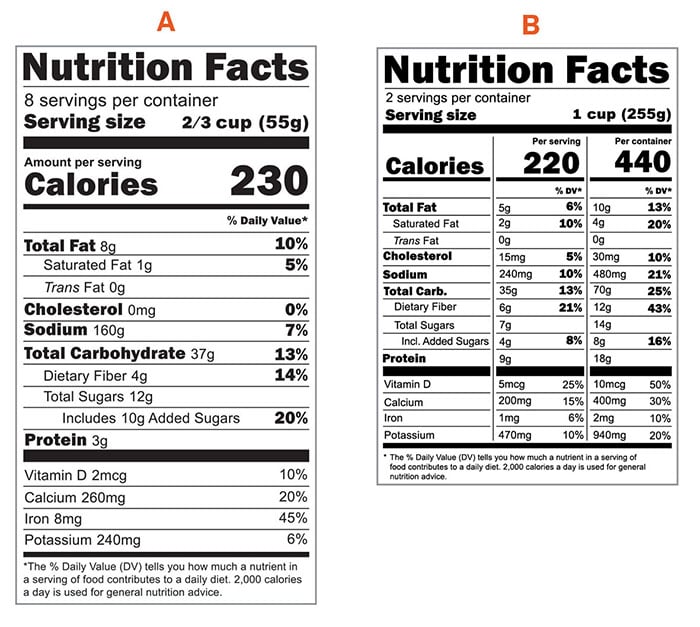
Additionally, the nutrition facts panel provides valuable information about the product’s nutritional content. Keep an eye on serving sizes and the number of calories, as these serve as a reference point for assessing the overall nutritional value of the product. Look for key nutrients like vitamins, minerals, and fiber, while being mindful of excessive amounts of added sugars, sodium, and unhealthy fats.
Certifications and Claims: Separating Fact from Fiction
Product labels often feature various certifications and claims that can influence consumers’ purchasing decisions. However, not all claims are created equal, and it’s important to understand what they truly mean. Some common certifications include organic, non-GMO, cruelty-free, and fair trade.
When it comes to organic labels, look for organic seal, which ensures that the product was produced according to strict organic standards. Non-GMO labels indicate that the product does not contain genetically modified organisms. Cruelty-free labels assure consumers that the product was not tested on animals. Similarly, fair trade labels indicate that the product was produced under fair labor and trade conditions.
However, it’s crucial to remain vigilant as some claims can be misleading or even deceptive. For example, terms like “natural” or “made with natural ingredients” are not regulated and may not guarantee the absence of synthetic additives. When encountering such claims, it’s best to dig deeper, research the brand’s reputation, and look for independent certifications that substantiate their claims.
Environmental Impact and Packaging

As consumers become increasingly conscious of their environmental footprint, understanding a product’s impact on the environment is crucial. When evaluating product labels, keep an eye out for eco-friendly certifications like the Forest Stewardship Council (FSC) seal, which ensures that the product’s packaging comes from responsibly managed forests.
Additionally, pay attention to the packaging materials used. Look for products that use recyclable or biodegradable packaging, as they contribute less to landfill waste. Opt for minimal packaging or packaging made from recycled materials whenever possible. By making thoughtful choices, consumers can support companies that prioritize sustainability and contribute to a healthier planet.
Conclusion
Product labels play a vital role in enabling consumers to make informed purchasing decisions. By understanding how to decode ingredients and nutrition facts, recognizing the significance of certifications and claims, and considering a product’s environmental impact and packaging, consumers can align their choices with their values and needs.
Next time you find yourself browsing store aisles or shopping online, take a moment to examine and decipher product labels. Armed with the knowledge gained from this blog post, you can confidently choose products that align with your preferences, health goals, and commitment to a sustainable future. Remember, informed consumers have the power to shape the market and drive positive change, one label at a time.