
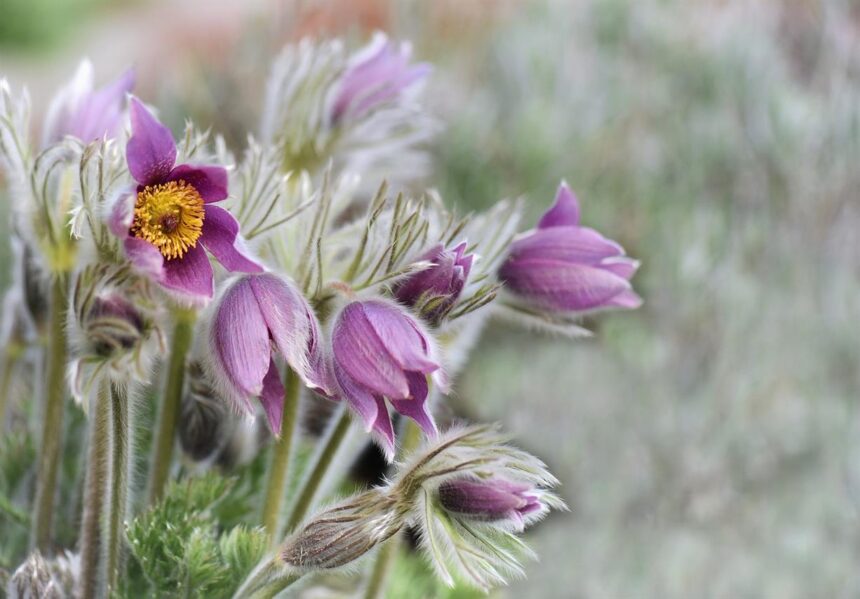
Flowers have captivated human hearts for centuries. With their vibrant colors, delicate forms, and enchanting fragrances, they are more than just plants—they are symbols of love, renewal, celebration, and even sorrow. Whether arranged in a bouquet, growing wild in a meadow, or cultivated in a home garden, flowers continue to play a significant role in our daily lives, art, culture, and emotions.
A Language Without Words

One of the most fascinating aspects of flowers is their ability to communicate feelings without using a single word. This is best known as the language of flowers or floriography. In Victorian times, people used flowers to express emotions they could not say aloud. A red rose symbolized deep love, while a white lily stood for purity. Even today, many people instinctively associate specific flowers with specific sentiments. A sunflower might convey happiness and admiration, while lavender suggests calm and healing.
Varieties for Every Season
There are more than 400,000 flowering plant species on Earth, and each comes with its unique charm. Spring blooms like tulips, daffodils, and cherry blossoms are among the first signs of life after a long winter, bringing hope and color back into the world. In summer, flowers such as roses, peonies, and daisies flourish, while autumn brings marigolds, chrysanthemums, and asters. Even in the cold winter months, flowers like poinsettias and camellias continue to bloom, showing nature’s resilience.

Cultural and Spiritual Significance
Flowers have deep roots in traditions and beliefs around the world. In Hinduism, marigolds are used in religious offerings and weddings. In Japanese culture, the cherry blossom or sakura is a powerful symbol of the fleeting nature of life, celebrated each spring with festivals and picnics. In Western traditions, flowers are integral to ceremonies such as weddings, funerals, and birthdays. They decorate churches, banquet halls, and graves, offering comfort, joy, and beauty through life’s milestones.
Health and Wellbeing Benefits

Beyond their aesthetic appeal, flowers also have positive effects on mental and emotional health. Studies have shown that simply looking at fresh flowers can reduce stress and promote feelings of happiness and relaxation. Florists and interior designers often use blooms to brighten up spaces and uplift moods. Some flowers, like chamomile and lavender, are even used in aromatherapy for their soothing properties. Having flowers at home or in workspaces can improve creativity, focus, and overall emotional balance.
The Art of Floristry
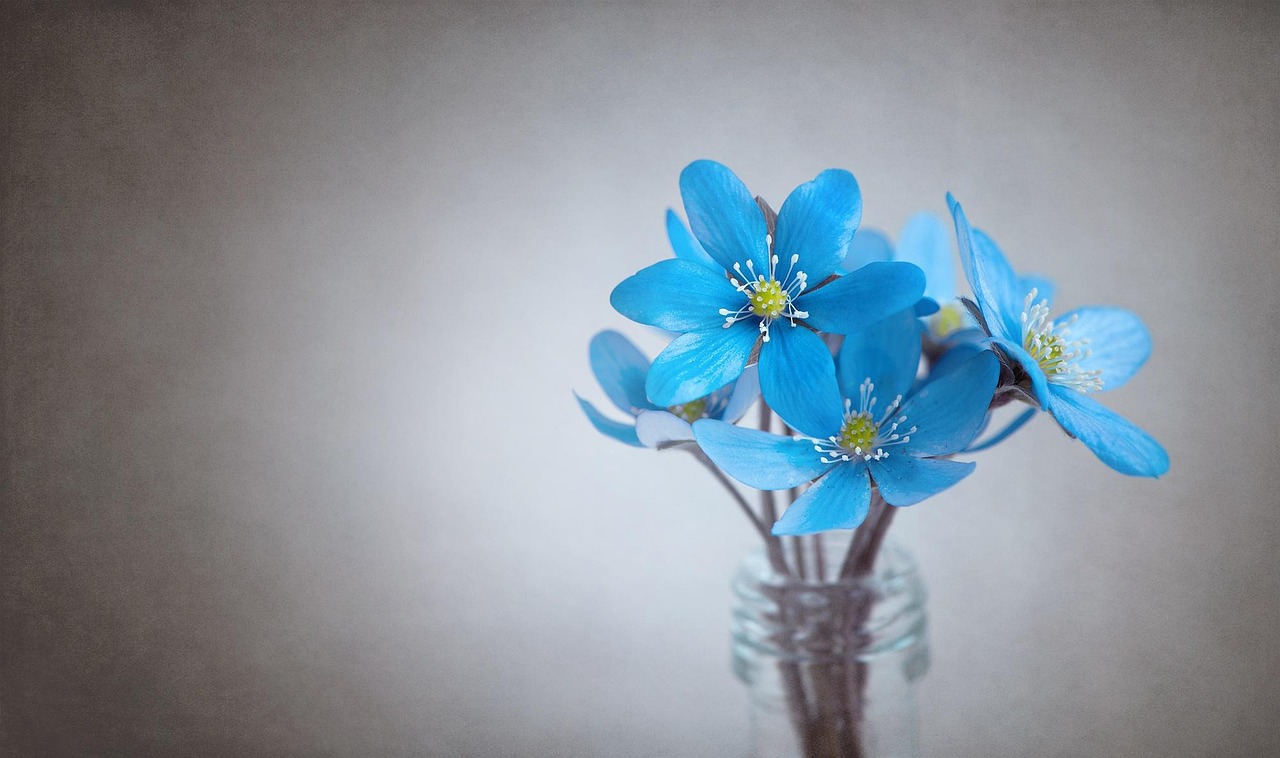
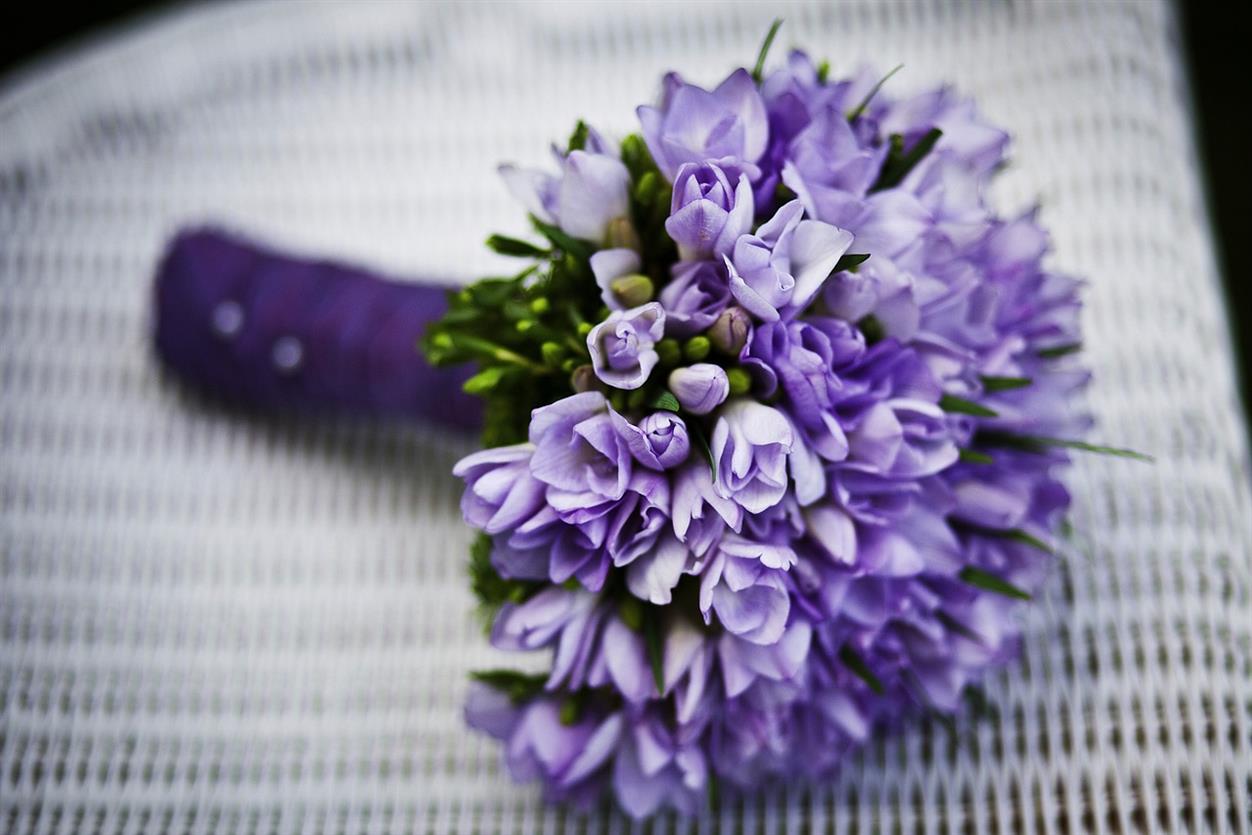
Arranging flowers is an art in itself. Floristry involves not only knowing how to keep flowers fresh but also how to combine shapes, textures, and colors harmoniously. Whether it’s a casual bunch of wildflowers or a sophisticated bridal bouquet, the design can evoke emotions and elevate any setting. Modern floristry also embraces sustainable practices, using seasonal and locally grown blooms and avoiding floral foam and plastic packaging to reduce environmental impact.
Gardening: A Joyful Connection with Nature
Growing flowers is a rewarding hobby that brings people closer to nature. Whether in a backyard garden, balcony pots, or community spaces, cultivating flowers provides a sense of accomplishment and peace. Pollinator-friendly gardens featuring wildflowers, lavender, and coneflowers support bees and butterflies, contributing to local biodiversity. Gardening encourages mindfulness and patience—valuable skills in our fast-paced digital world.
Flowers in Art and Literature
Throughout history, flowers have inspired countless artists, writers, and poets. From Monet’s water lilies to Van Gogh’s sunflowers, floral motifs have dominated the canvas in many iconic artworks. In literature, flowers often symbolize beauty, transience, and the human experience. Shakespeare referenced roses, violets, and lilies in his works to express love, jealousy, and sorrow. Even today, flowers continue to be powerful metaphors in music, poetry, and storytelling.
A Gift for Every Occasion
There’s a reason why flowers are one of the most universally appreciated gifts. They suit nearly every occasion—from anniversaries and graduations to apologies and farewells. A simple bouquet can convey complex emotions and create meaningful connections between people. In a fast-moving world, flowers remind us to slow down, observe, and appreciate the fleeting beauty around us.
In Conclusion:
Flowers are far more than decorative plants. They are storytellers, mood-lifters, healers, and cultural icons. Their presence enriches our lives in ways both visible and invisible. Whether gifted, planted, or admired, flowers are nature’s most elegant expression of life, love, and renewal.