
Milan Fashion Week Spring/Summer 2025 has once again established itself as the epicenter of style and innovation. This season, the city’s runways were electrified with fresh takes on classic designs, bold experiments with colors, and a continued push towards sustainability. From emerging designers making their mark to the return of fashion powerhouses, Milan served up a vibrant mix of creativity and statement-making fashion. Here’s a closer look at the standout trends, collections, and moments that defined this year’s fashion extravaganza.
1. Bold Colors and Playful Prints: A Celebration of Individuality
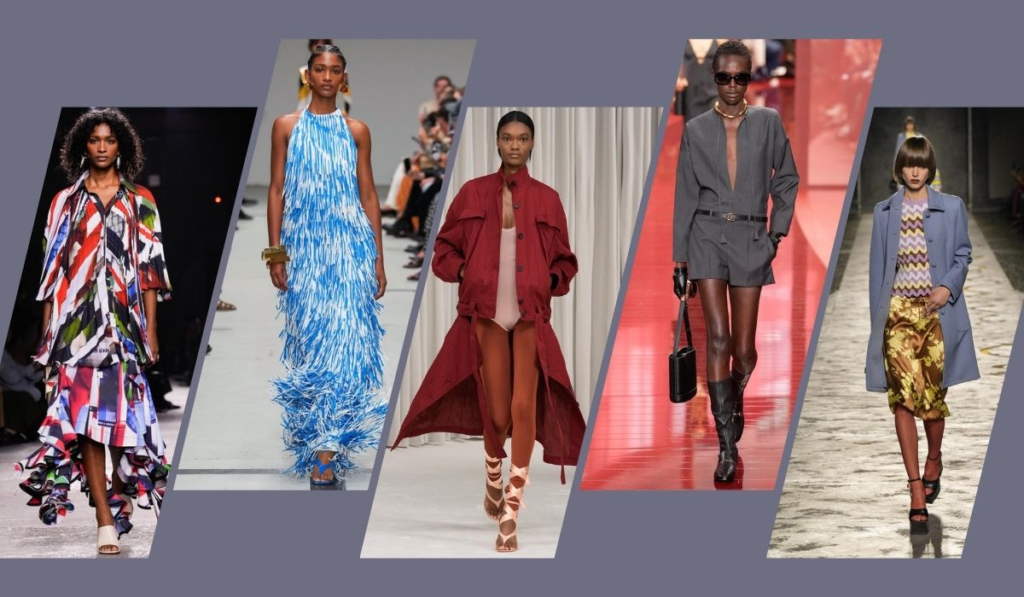
This season, designers embraced a fearless use of color, with bright, eye-catching hues dominating the runways. Vibrant reds, electric blues, and zesty yellows were paired with unexpected patterns, ranging from abstract art-inspired prints to reimagined florals. Gucci’s collection stood out with its unapologetic use of neon shades mixed with classic tailoring, creating a dynamic juxtaposition of tradition and modernity.
Dolce & Gabbana also captivated audiences with a playful approach to print mixing, featuring everything from polka dots to tropical motifs. Their collection paid homage to Italy’s rich cultural heritage while injecting a sense of fun and youthfulness. These bold choices in color and print are not just about aesthetics—they’re a celebration of individuality and self-expression, encouraging fashion lovers to embrace their personal style.
2. Futuristic Designs: Tech Meets Couture
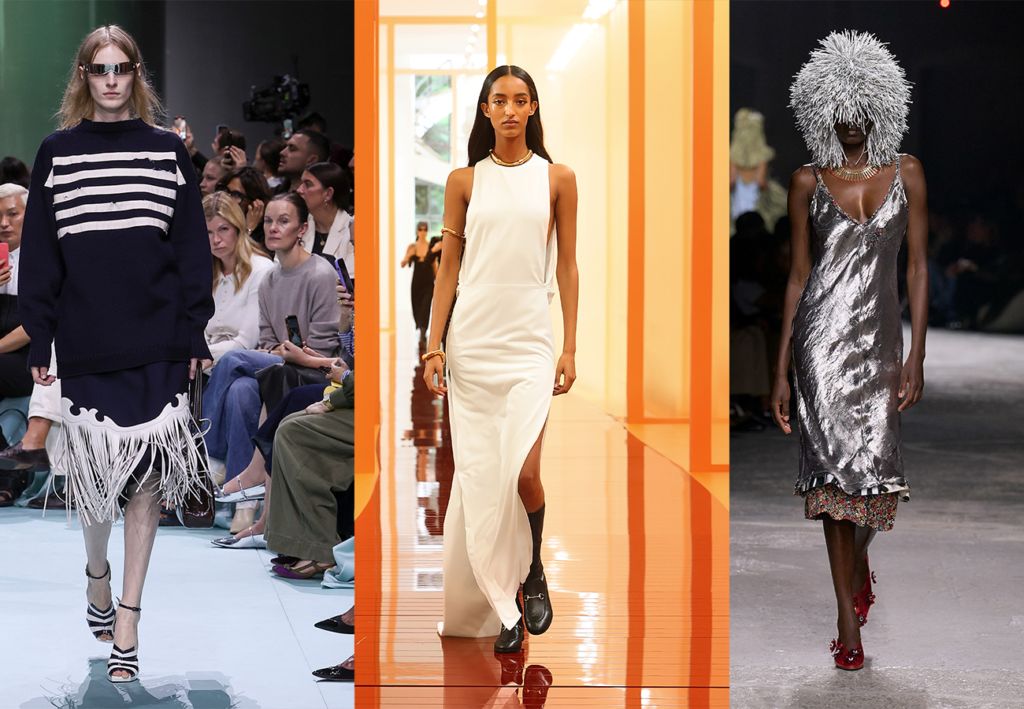
Milan’s runways also saw an influx of futuristic elements, reflecting a growing trend where technology meets couture. Designers incorporated high-tech fabrics, LED embellishments, and 3D-printed accessories, pushing the boundaries of traditional fashion. Prada led the charge with a collection that fused minimalist silhouettes with tech-inspired materials, resulting in sleek, avant-garde pieces that felt both wearable and otherworldly.
Emerging designer Iris van Herpen made her Milan debut with a show-stopping collection that combined her signature 3D-printed garments with sustainable materials. Her designs, inspired by the concept of digital transformation, featured intricate patterns that moved and changed shape as the models walked, blurring the lines between fashion, art, and technology.
3. Sustainability at the Forefront: Fashion’s Green Future
Sustainability was not just a buzzword at Milan Fashion Week—it was a core focus. Many designers are now prioritizing eco-friendly practices, from using recycled fabrics to minimizing waste in the production process. Stella McCartney, a pioneer in sustainable fashion, showcased a collection made entirely from organic and upcycled materials. Her designs highlighted the beauty of conscious fashion, with flowing silhouettes and earthy tones that felt in harmony with nature.
Meanwhile, Bottega Veneta introduced an innovative approach to sustainable luxury, utilizing plant-based dyes and biodegradable materials in their accessories line. The collection was both visually stunning and environmentally responsible, setting a new standard for what high fashion can—and should—be in the age of climate awareness.
4. Gender Fluidity and Inclusivity: Breaking Fashion Norms
Gender fluidity continued to be a prominent theme on Milan’s runways, with many designers embracing inclusive designs that defy traditional gender norms. This season, there was a noticeable shift towards unisex silhouettes, oversized fits, and androgynous styling. Versace’s collection featured a mix of sharp suiting, flowing dresses, and accessories that were designed to be worn by anyone, regardless of gender.
Italian newcomer Marco Rambaldi also made waves with his collection that celebrated diversity and body positivity. Models of all sizes, genders, and backgrounds strutted down the runway in vibrant pieces that challenged conventional beauty standards. This inclusive approach signals a broader industry shift towards more representative and accessible fashion.
5. The Return of Y2K: Nostalgia Meets Modern Edge
The early 2000s continue to influence fashion, and this season, Milan saw a major resurgence of Y2K aesthetics, updated with a modern twist. Low-rise jeans, butterfly tops, and platform shoes made a comeback, reimagined in luxurious fabrics and bold patterns. Miu Miu’s collection was a standout, blending nostalgic elements with contemporary details like metallic finishes and statement accessories.
Blumarine also tapped into this trend, offering a youthful and rebellious collection that nodded to the brand’s iconic early-2000s designs. Think glittery mini skirts, embellished denim, and plenty of bling—perfect for those looking to add a touch of nostalgia to their wardrobes.
6. Standout Moments and Celebrity Appearances: Fashion’s Biggest Night Out
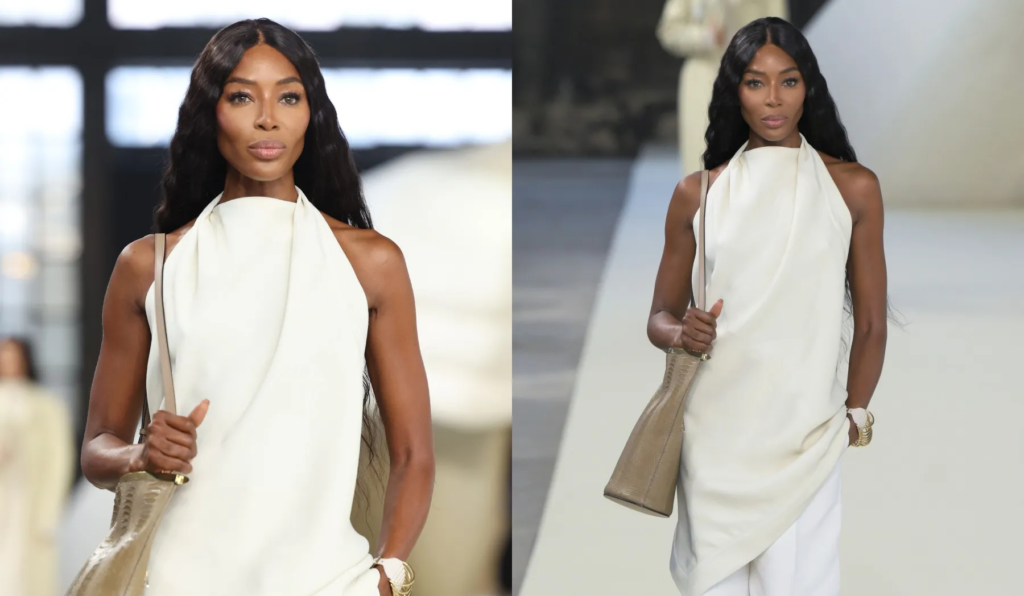
Milan Fashion Week wouldn’t be complete without its share of memorable moments and star power. The front rows were filled with A-list celebrities, including fashion icons like Dua Lipa, Timothée Chalamet, and Zendaya, who each brought their unique style to the event. One of the most talked-about shows was Fendi’s, where supermodel Naomi Campbell made a surprise appearance, closing the show in a stunning, glittering gown that left the audience in awe.
Fashion’s biggest night also saw collaborations between designers and artists, such as Moschino’s playful collection inspired by pop art, featuring designs co-created with renowned digital artist Beeple. These collaborations not only added an artistic flair to the collections but also highlighted the growing synergy between fashion and other creative industries.
Milan’s Fashion Renaissance
Milan Fashion Week Spring/Summer 2025 was a celebration of creativity, innovation, and individuality. From bold colors and futuristic designs to sustainable practices and inclusive fashion, this season’s collections pushed the boundaries of what’s possible in fashion. As the industry continues to evolve, Milan remains at the forefront, inspiring designers and fashion lovers alike to think beyond the ordinary and embrace the extraordinary. Whether you’re a fan of avant-garde couture or looking for the next big trend, Milan has once again proven why it’s the fashion capital of the world.