
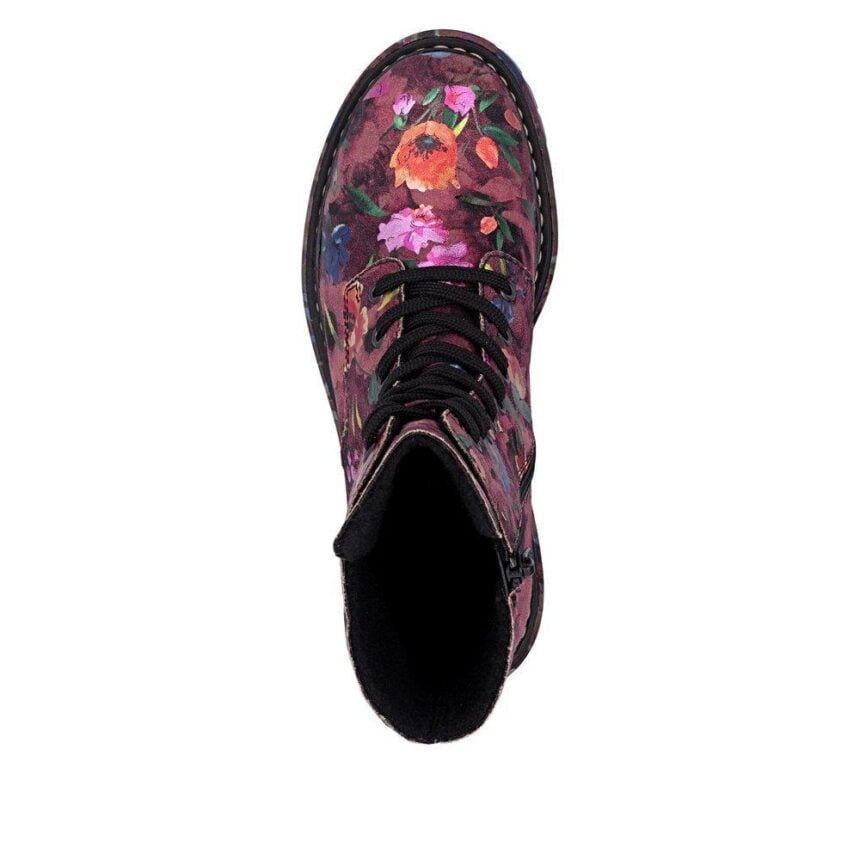
Shoes influence the ordinary parts of a day more than many shoppers expect. Walking to work, standing for long periods and moving across wet pavements each place different demands on footwear. A stylish pair can disappoint quickly if the fit is wrong or the sole does not suit the conditions. Cordners offers a broad range of shoes, boots and trainers for different ages and uses. Choosing well starts by understanding the routine a pair must support rather than selecting the most attractive photograph.
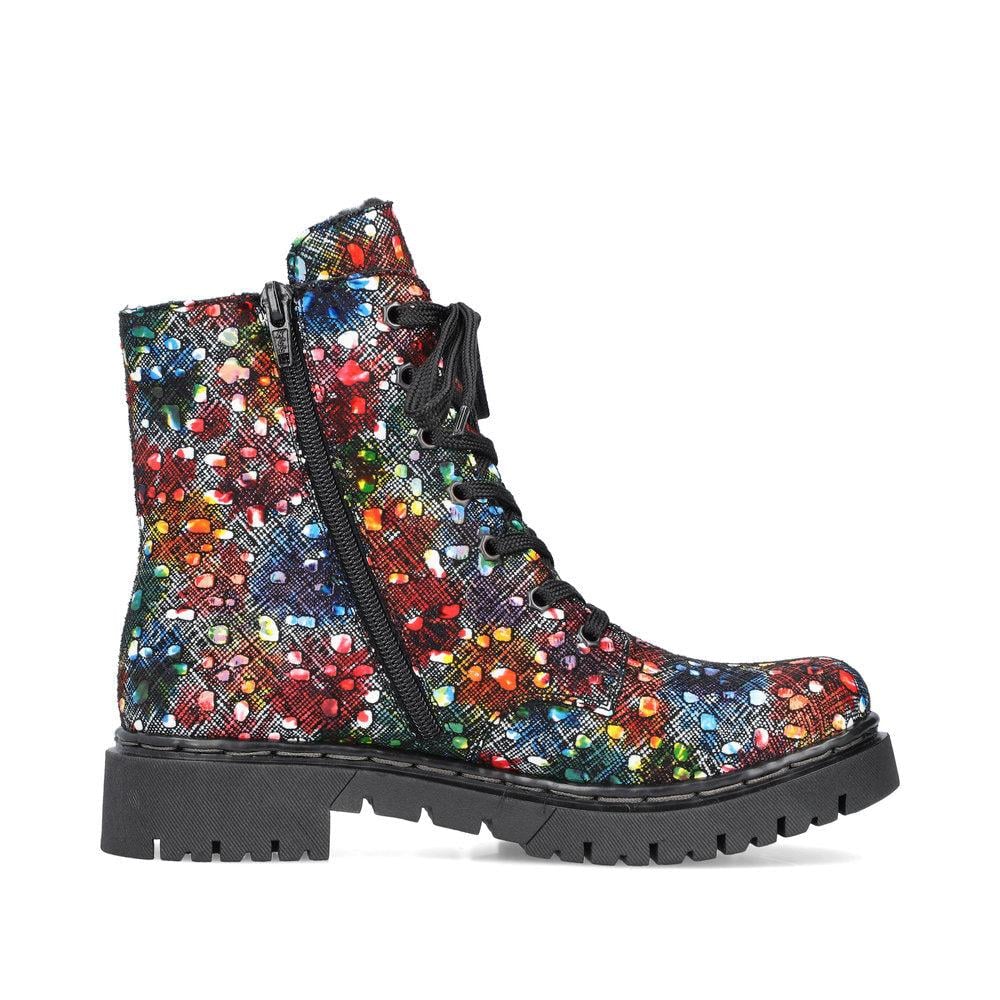
Match the footwear to its main purpose
Someone who spends most of the working day at a desk may need a different shoe from a person who walks between buildings or stands in a shop. Weekend footwear may have to handle rougher ground, changing weather and longer distances. A formal shoe can be practical for occasional events without being the best choice for extended walking. The important distinction is between how footwear looks on display and what it must do after several hours of normal use.
The Cordners catalogue includes recognizable names such as Clarks, Rieker, Gabor and Skechers. These brands offer varied designs, but a familiar label cannot guarantee a comfortable fit in every model. Two shoes from the same manufacturer may have different shapes and fastening systems. Shoppers who have worn one successful pair should still assess a replacement individually. A brand is a useful starting point for browsing rather than a substitute for testing.
A sensible shortlist may contain several shoe types. Trainers can suit everyday errands, leather shoes can work for a smarter workplace and boots may be more useful in colder conditions. There is little value in buying multiple similar pairs while lacking something suitable for the weather encountered most often. The best wardrobe is usually built around genuine routines rather than hypothetical occasions.
Why width and heel fit matter
Shoe size is commonly described by length, although width and internal volume can be equally important. A shoe may provide enough room at the toes while pressing painfully across the front of the foot. Another may feel comfortable when standing still but slip at the heel during movement. These issues cannot always be identified from a product image. Both shoes should be tried on with the socks normally worn for that activity, ideally after some walking.
Cordners provides width-related information for selected footwear and sells models designed with different fitting needs in mind. It remains important to examine the exact product description because not every model is available in every width. The toe box, seams, heel shape and position of straps can alter the experience. A customer should not rely on the hope that persistent pressure will disappear after breaking the shoes in.
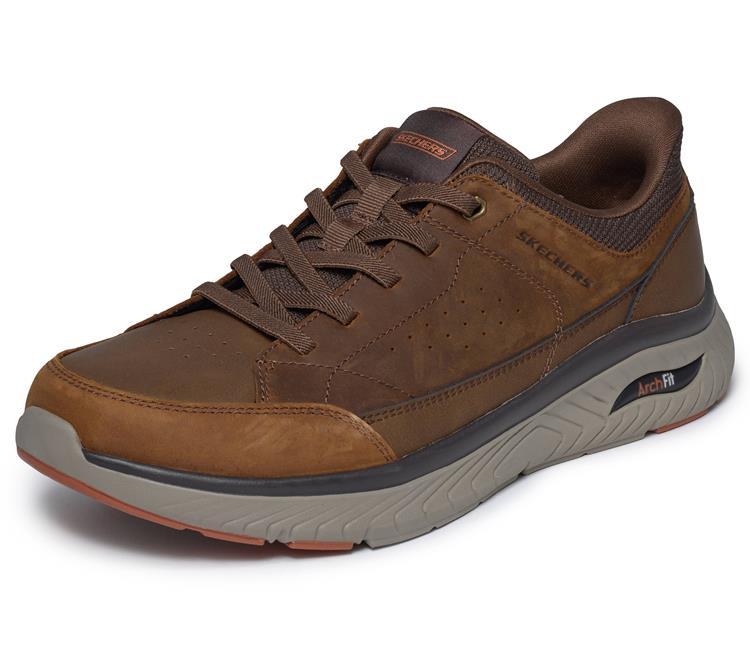
Feet sometimes change slightly in size during the day. Trying footwear at a realistic time may therefore reveal problems that a brief early-morning fitting misses. Some people also wear different sizes on each foot. In that situation the larger foot generally deserves particular attention when assessing available space. Any ongoing pain or unusual foot concern should be discussed with a suitable health professional rather than treated as a shopping problem alone.
Materials, grip and simple maintenance
Uppers made from leather, textiles and synthetic materials have different care requirements. A flexible upper may feel pleasant immediately, but the shoe also needs enough structure for the intended activity. Wet weather introduces questions about water resistance and traction. A smooth sole may be appropriate indoors while becoming less reassuring on slippery outdoor surfaces. The design should be considered alongside the environments in which the pair will regularly be worn.
Routine maintenance can extend useful life. Shoes exposed to rain should dry appropriately, away from excessive direct heat if the material guidance advises against it. Dirt should be removed using methods suitable for the upper. Alternating pairs may allow footwear to air between uses. When shopping through Cordners, checking product-care information can be just as practical as comparing colours, particularly for materials that require specialized cleaning.
Questions worth answering before checkout
- Does the pair fit comfortably across both feet while walking rather than only while standing?
- Is there enough space at the toes without excessive heel movement?
- Does the sole offer suitable grip for the places where the shoes will be worn?
- Are the materials, fastening system and care requirements practical for regular use?
- Are the retailer’s size guidance and return conditions clear before placing an online order?
Buying fewer pairs with greater confidence
A useful shoe collection usually covers genuine needs without accumulating near-identical options. Someone may benefit from dependable everyday trainers, a smart pair for work and weather-appropriate boots. Coordinating these with clothes already owned increases the chances that each purchase will be worn often. Price alone does not establish value. A pair that feels uncomfortable and remains unused can be a poor purchase even when bought at a discount.
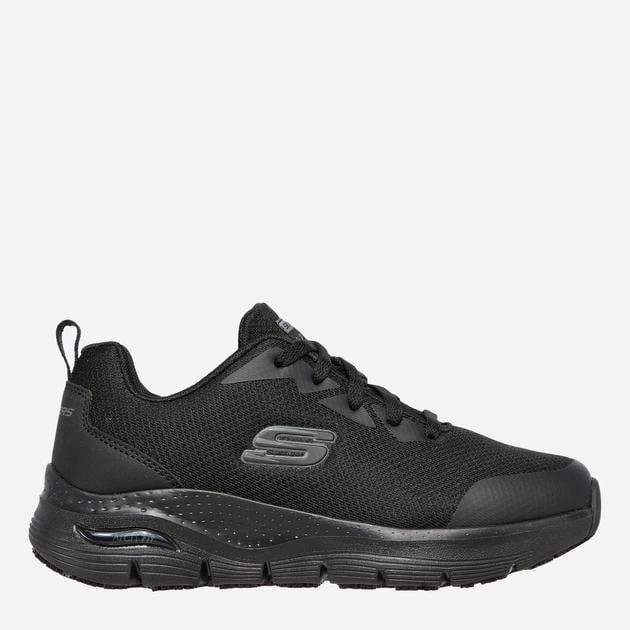
Product photography helps narrow the search but does not reveal everything. Side views can show heel height, while a sole photograph may reveal the tread pattern. Neither image establishes the fit on an individual foot. Cordners provides category browsing and model descriptions that can guide a shortlist before a closer comparison. Reading these details carefully is more reliable than choosing only by brand recognition or appearance.
Comfort becomes most apparent when shoes are worn through an ordinary day. An appropriate pair should support the activities it was selected for and remain manageable to clean and maintain. By prioritizing fit, function and realistic usage, shoppers can make choices that stay useful well beyond the first outing. The most satisfying shoes are rarely those making the biggest promise. They are the ones that quietly do their job whenever they are needed.