Flowers are everywhere—on birthday cards, in garden beds, at weddings, and growing wild in forests and fields. But beyond their visual beauty lies a fascinating world of biology, symbolism, and ecological function. From pollination to poetry, from healing properties to holiday rituals, flowers are a universal thread connecting nature to humanity in powerful, poetic, and practical ways.
The Science Behind the Beauty

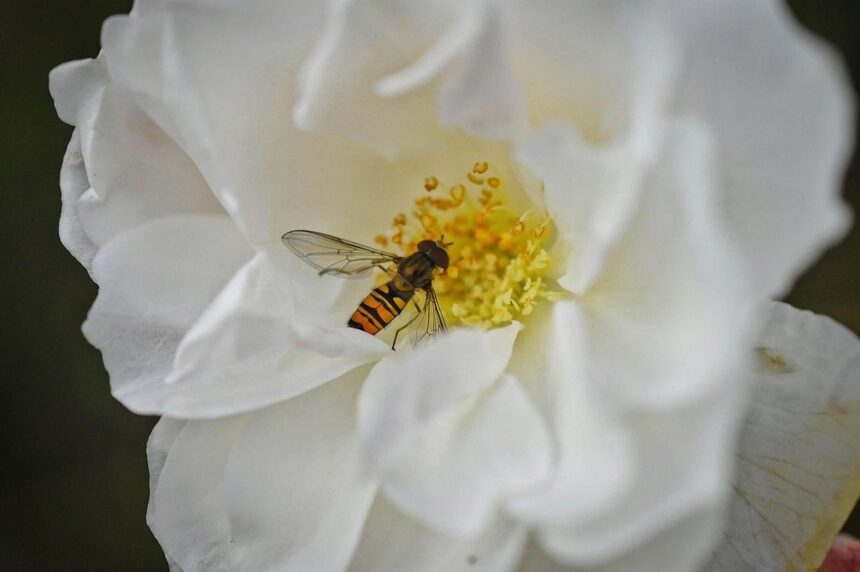
What makes a flower more than just a pretty face? At a biological level, flowers are the reproductive organs of angiosperms (flowering plants). Their primary function is to attract pollinators—bees, butterflies, birds, and even bats—using color, scent, and nectar as lures. Once pollinated, flowers develop seeds that ensure the survival of their species. Every detail, from petal shape to scent composition, has evolved over millions of years for maximum reproductive success. In fact, entire ecosystems depend on flowers to support biodiversity and food chains.
Pollinators and Their Critical Role
Pollinators are drawn to flowers for sustenance, but in doing so, they enable the survival of more than 80% of the world’s flowering plants. These include many of the crops we rely on for food: apples, tomatoes, almonds, and even chocolate. Without flowers, bees and butterflies would struggle to survive—and without those pollinators, we’d lose a significant portion of the food on our plates. Gardens full of wildflowers, native plants, and seasonal blooms don’t just look nice; they actively help sustain ecological balance.

Flowers as Emotional Healers
There’s a reason hospitals, therapy offices, and homes are often decorated with fresh flowers—they have a measurable impact on human well-being. Scientific studies have shown that exposure to flowers can reduce anxiety, promote happiness, and even improve memory and cognitive function. The presence of flowers encourages relaxation, emotional openness, and stronger social bonds. Simply placing a bouquet on your kitchen table or desk can improve your mood for days.
Cultural Connections Across Continents

From ancient Egypt to modern Japan, flowers have held symbolic meaning in nearly every culture. In India, marigolds are offered at temples and weddings to represent purity and prosperity. In Mexico, the bright orange cempasúchil is used during Día de los Muertos to honor the dead. In Western cultures, white lilies often appear at funerals to symbolize the soul’s return to innocence. The tradition of giving flowers, whether red roses on Valentine’s Day or tulips in the spring, reflects deep-rooted cultural practices that span continents and centuries.
The Economic Power of Blooms
The global flower industry is massive—valued in the tens of billions of dollars. Countries like the Netherlands, Colombia, Kenya, and Ecuador export millions of stems each year, especially roses, carnations, and chrysanthemums. The cut-flower trade supports entire communities, from small family farms to high-tech greenhouse operations. Meanwhile, local florists and growers are seeing a resurgence in demand for seasonal, sustainable, and locally grown blooms as consumers become more eco-conscious.

From Garden Hobby to Lifestyle Choice
More people are turning to gardening not just as a hobby but as a lifestyle. Whether it’s a balcony herb box, a backyard pollinator garden, or a window box full of geraniums, cultivating flowers creates a sense of purpose and connection to the Earth. Gardening provides physical activity, mental clarity, and a break from digital distractions. It also empowers individuals to contribute to the health of their environment by supporting bees, improving soil health, and conserving water through smart planting choices.
Artistic and Literary Inspiration
Artists, writers, and designers have long drawn inspiration from flowers. Georgia O’Keeffe’s oversized poppies and Monet’s water lilies are among the most recognizable floral paintings in history. In literature, flowers symbolize everything from innocence and beauty to transience and loss. They continue to appear in fashion, textiles, photography, and interior design, proving their timeless relevance in the visual and emotional languages we speak.

More Than Just Decoration
Flowers are not just decorative—they are dynamic players in ecosystems, silent communicators of emotion, and enduring symbols of life’s most meaningful moments. Their colors dazzle, their scents soothe, and their presence reminds us of both the fragility and the resilience of nature. To appreciate flowers is to celebrate life itself in one of its most graceful and meaningful forms.