

Like most people these days, my nervous system was operating in overdrive. Juggling a full-time job, a side hustle, and trying to maintain some semblance of a social life meant stress had become my default setting. Sleep? Fragmented. Calm? Rare. Sanity? Slipping.
So when I heard about Pulsetto—a sleek, non-invasive wearable designed to stimulate the vagus nerve and calm the body—I was intrigued. Could a few sessions a day with a gentle neck pulse really help manage my stress levels and improve my sleep?
I committed to wearing it for seven days straight. Here’s what happened.
Day 1: First Impressions
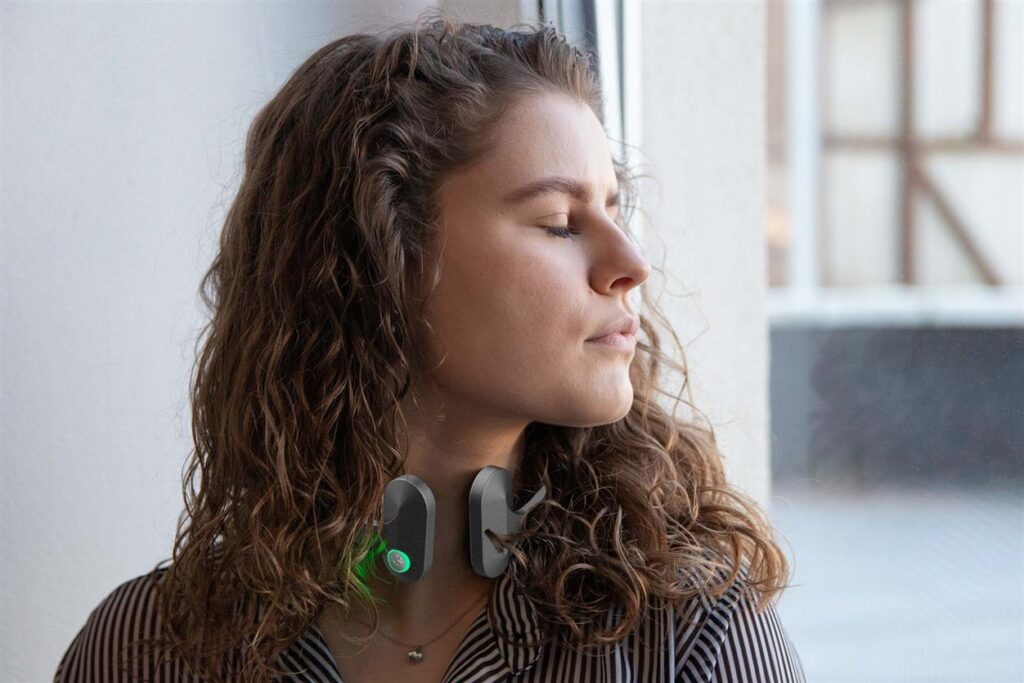
Unboxing Pulsetto felt more like opening a premium skincare gadget than a piece of medical tech. The packaging was minimal, the instructions were clear, and the device itself was lightweight and soft to the touch. It wraps gently around the neck, targeting the vagus nerve just below the ear.
After downloading the app and applying the conductive gel, I launched my first 15-minute session focused on stress relief.
The sensation? A light pulsing—not painful, but definitely noticeable. It reminded me of a TENS unit from physio, only gentler and more focused.
Day 2–3: Establishing a Rhythm
By day two, I was starting to build a routine: morning session for calm focus, evening session for wind-down. The app guided me through each program, syncing the pulses with audio tracks that combined breath coaching and soothing music.
It was subtle, but after each use, I felt… quieter. Not groggy like I might after a melatonin gummy. Just less tense. More grounded.
By day three, I noticed a small shift: my racing thoughts in the evening weren’t quite so loud. I didn’t fall asleep instantly, but I wasn’t tossing and turning as much.
Day 4: The Midweek Test
Midweek brought a particularly stressful workday—emails, meetings, deadlines—and my usual response would be a clenched jaw, tight shoulders, and irritability. Instead, I used Pulsetto on my lunch break.
Did it make the stress disappear? No. But it noticeably took the edge off. I felt less reactive. More present. And for the first time in weeks, I didn’t end the day with a headache.
Day 5–6: The Sleep Surprise
By day five, I was genuinely surprised. I hadn’t changed anything else—no new supplements or routines—but my sleep score on my smartwatch was improving. I fell asleep faster, stayed asleep longer, and woke up without that groggy “drag me back to bed” feeling.
Even more, I wasn’t waking up at 3 a.m. to check my phone. I felt like my nervous system had been gently reminded how to rest.
I began looking forward to my evening Pulsetto sessions. It became a wind-down ritual—like brushing my teeth, but for my brain.
Day 7: Reflecting on the Experiment
After a full week, here’s what I found:
- Stress levels: Lower, particularly in the afternoons and evenings
- Sleep quality: Noticeably improved, especially falling asleep and staying asleep
- Mood: More balanced, less anxious
- Side effects: None, though I did have to adjust the fit a few times for comfort
Would I call it a miracle cure? No. But was it a meaningful shift? Absolutely.
What You Should Know Before Trying It

Pulsetto isn’t a magic fix—but it can be a powerful tool in your wellness toolbox. Here’s what to keep in mind:
- Consistency matters: Like any wellness routine, results build over time.
- Fit is key: It took me a couple of tries to find the sweet spot where the pulses felt right.
- Not a replacement for therapy or medical care: Pulsetto is best used as a complement to healthy habits, not a replacement for professional support.
Final Verdict: A Simple, Effective Calm-Down Companion
After 7 days, Pulsetto earned a place in my wellness routine. It helped me feel more in control of my stress and gave me better sleep without relying on supplements or screen time. The portability means I can use it during travel or before meetings, and the sessions are quick enough to squeeze into any schedule.
If you’re someone who feels wired, anxious, or sleep-deprived—and you’ve tried everything from journaling to yoga—Pulsetto might be the missing piece. It’s gentle, user-friendly, and rooted in real neuroscience.