

In the realm of music production, few tools are as versatile and impactful as reverb. Whether you’re strumming a guitar, crafting beats on a drum machine, or weaving melodies on a synthesizer, reverb can add depth, dimension, and atmosphere to your sound. In this blog post, we’ll explore the diverse applications of reverb across various musical instruments and equipment, unlocking its potential to elevate your sonic creations.
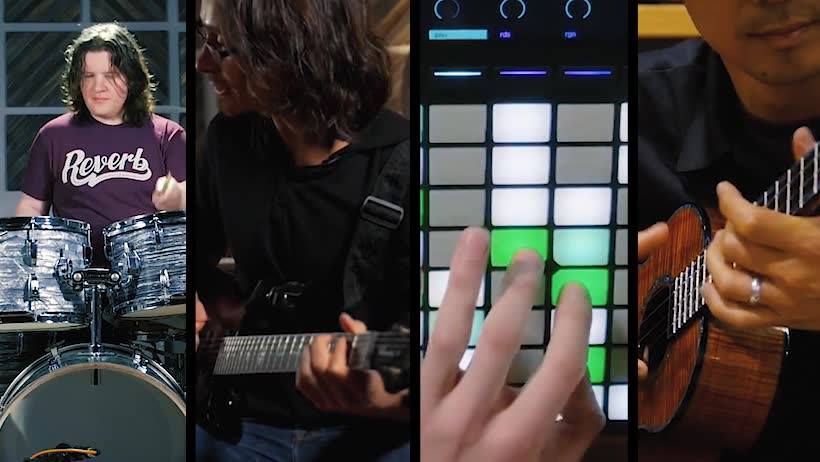
Guitars: Enhancing Your Melodies with Reverb When it comes to guitars, reverb is a game-changer. Whether you’re playing acoustic or electric, adding a touch of reverb can transform your tone from dry and flat to lush and expansive. With the right settings, reverb can emulate the acoustics of anything from a small room to a vast cathedral, giving your guitar tracks a sense of space and depth. From subtle ambiance to soaring landscapes of sound, reverb is an indispensable tool for any guitarist looking to enrich their sonic palette.
Pedals and Amplifiers: Sculpting Your Sound with Reverb Effects For musicians experimenting with pedals and amplifiers, reverb opens up a world of sonic possibilities. Whether you’re using a standalone reverb pedal or incorporating reverb effects into your amplifier setup, the options are virtually endless. From classic spring reverb to modern digital algorithms, there’s a reverb flavor to suit every taste and style. By judiciously dialing in parameters like decay, pre-delay, and diffusion, you can tailor your reverb sound to complement your playing and enhance the character of your pedals and amplifiers.

Keyboards and Synths: Adding Depth to Your Electronic Compositions In the realm of keyboards and synthesizers, reverb serves as a vital tool for shaping soundscapes and adding depth to electronic compositions. Whether you’re crafting ethereal pads, pulsating arpeggios, or thunderous basslines, reverb can imbue your synth textures with a sense of space and dimension. By experimenting with different reverb types and settings, you can create immersive sonic environments that transport listeners to otherworldly realms. From ambient drones to shimmering leads, reverb, is an essential ingredient in the sonic palette of any keyboardist or electronic producer.
Recording Gear: Capturing the Perfect Sound with Reverb When it comes to recording, reverb plays a crucial role in shaping the sonic character of your tracks. Whether you’re tracking live instruments or programming virtual instruments in a DAW, applying reverb can help create cohesion and realism in your recordings. By carefully selecting the right reverb plugins or outboard gear and tailoring their parameters to fit the context of your mix, you can achieve a professional and polished sound that draws listeners in and enhances the emotional impact of your music.

Drums: Elevating Your Rhythms with Reverb Processing In the world of percussion, reverb can be a drummer’s secret weapon for adding depth and presence to their rhythms. Whether you’re recording acoustic drums in a studio or programming drum patterns with electronic samples, applying reverb processing can breathe life into your beats. From tight, snappy snares to thunderous, booming kicks, reverb can help shape the space and character of each drum sound, giving your rhythms a sense of energy and impact that cuts through the mix.
DJ and Audio Gear: Transforming Your Mixes with Reverb Techniques For DJs and producers working in the realm of electronic music, reverb is a powerful tool for sculpting mixes and creating dynamic transitions. Whether you’re blending tracks in a live DJ set or crafting intricate arrangements in the studio, judicious use of reverb can help glue your mix together and add excitement and depth to your sound. By experimenting with techniques like sidechain compression, automation, and creative routing, you can push the boundaries of traditional reverb processing and create innovative effects that keep listeners engaged and immersed in the music.
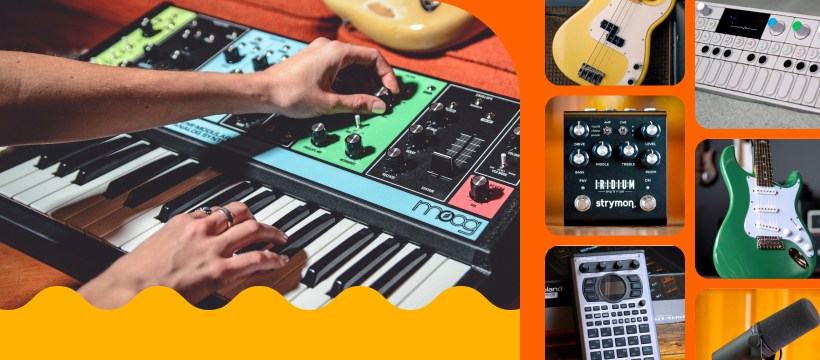
Reverb is a versatile and indispensable tool for musicians and producers across a wide range of genres and styles. From guitars to synthesizers, recording gear to DJ setups, reverb has the power to transform ordinary sounds into extraordinary sonic experiences. By understanding its principles and experimenting with different techniques and settings, you can harness the full potential of reverb to elevate your music to new heights. So go ahead, dive in, and let the lush, expansive sound of reverb take your creations to the next level.