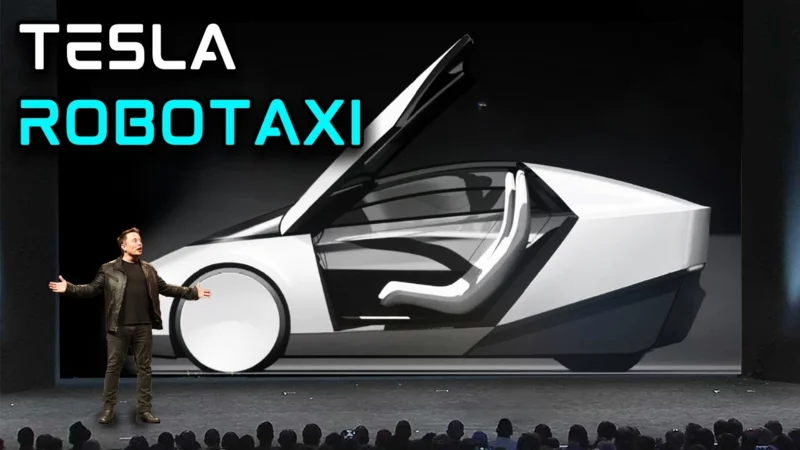
Tesla’s highly anticipated Robotaxi Day is set for October 10, and everyone is buzzing with excitement. Elon Musk is finally expected to reveal Tesla’s big plans for its self-driving taxi service, and investors are eager for answers. As Tesla faces increased competition in the electric vehicle market, Musk has emphasized that the robotaxi service will be the company’s true game-changer. But will it live up to the hype? Here are the three burning questions that Elon Musk will need to address at the event.
What Exactly Is the Robotaxi Plan?
Let’s start with the basics. Investors and customers alike want to know how Tesla’s robotaxi service will work. Will it be a fleet of self-driving Teslas that you can call up like an Uber? Or will Tesla owners be able to rent out their cars to make some extra cash when they’re not using them? This part of Musk’s plan has been vague so far, and it’s a big deal because it will determine how much money the service can make and how quickly it can expand.
Tesla has hinted at both options before. Musk once described it as letting owners rent out their cars “like Airbnb.” But that idea comes with a lot of questions. How would cleaning, charging, and maintenance work if regular people are lending out their cars? And if Tesla decides to run a fleet of its own robotaxis, that would be a whole different challenge.

Who Will Handle the Maintenance and Insurance?
One major concern for potential Tesla robotaxi owners is the practical side of things. If you rent out your car, who is responsible for keeping it in tip-top shape? Regular wear and tear, cleaning, and even the dreaded occasional coffee spill by a passenger are all issues that need to be addressed. Plus, who pays for insurance if the car gets into an accident while it’s acting as a robotaxi?
Tesla has already seen a glimpse of the complications with rental-car company Hertz, which recently got rid of its Tesla fleet due to high repair costs. If Hertz struggled, how can individual Tesla owners handle these challenges? Investors will want clear answers about how Tesla plans to manage these nitty-gritty details.
How Safe Is Tesla’s Full Self-Driving (FSD) System?
Safety is always a top concern when it comes to self-driving cars. Tesla’s Full Self-Driving (FSD) feature has been in the spotlight for years, but many still question how reliable it is. Investors are eager to hear how Tesla’s FSD system compares to competitors like Waymo, which has set the bar high with its safety record.
Tesla hasn’t been too open about how often its self-driving system has to “disengage” or hand control back to a human driver. These numbers are crucial to understand how close Tesla is to achieving true autonomy. If Tesla can’t prove that their robotaxis are safer than human drivers, it’s going to be a tough sell for investors, regulators, and future passengers.
How Much Will It All Cost?
Let’s face it: bringing robotaxis to life won’t be cheap. The technology, infrastructure, and regulatory approvals will cost a pretty penny. Investors are wondering just how much Tesla will need to spend to make this vision a reality. Running a fleet of self-driving cars requires enormous investments in artificial intelligence, high-quality sensors, and software updates, not to mention the costs of maintaining the cars.
Musk has always been confident about the potential profits of the robotaxi business, but there’s a big question mark over how much Tesla needs to invest before it starts making money. Investors are hoping to hear more about these costs at the event.
Will Tesla Build Its Own Robotaxi Network?
Another burning question is whether Tesla will create its own ride-hailing network or partner with existing services like Uber or Lyft. Running an entire fleet of self-driving cars is no small task, and it might be more efficient for Tesla to join forces with an established player in the industry.
On the flip side, having its own network could mean more control and higher profits for Tesla in the long run. But this would also mean dealing with all the logistics, customer service, and infrastructure on top of developing the technology itself. Musk needs to clarify Tesla’s plans here.
How Will Tesla Handle Regulation and Legal Hurdles?
The idea of self-driving cars roaming the streets is exciting, but there are plenty of rules and regulations that Tesla will need to follow. Each city, state, and country has its own laws about autonomous vehicles, and navigating these legal waters won’t be easy.
Musk has been optimistic about getting approval for Tesla’s robotaxi service, but so far, regulators have taken a cautious approach to self-driving technology. Investors want to know how Tesla plans to tackle these challenges and ensure their robotaxis will be allowed on the roads.
Will This Affect Tesla’s Core Business?
Another important question is how the robotaxi service will fit into Tesla’s main business of selling electric cars. If the robotaxi idea takes off, will people still want to buy their own Teslas? Or could this service actually end up hurting Tesla’s sales in the long run?
Musk has painted a picture of a future where owning a car is unnecessary, but is Tesla really ready for that shift? Investors will be looking for answers on how Tesla plans to balance its traditional car sales with the new robotaxi venture.

Time for Answers, Elon!
The clock is ticking, and all eyes are on Tesla’s Robotaxi Day on October 10. Elon Musk has promised big things, but now it’s time to deliver. Investors, customers, and even competitors are eager to see if Tesla can make its robotaxi dream a reality. With safety, costs, operations, and regulations all on the line, Musk will need to provide clear, concrete answers if he wants to convince the world that Tesla’s robotaxi service is more than just a futuristic fantasy.
One thing’s for sure: this event will be a turning point for Tesla. Whether it’s the beginning of a self-driving revolution or just another ambitious plan remains to be seen. But for now, everyone is waiting to see if Elon Musk can turn his robotaxi vision into a reality.